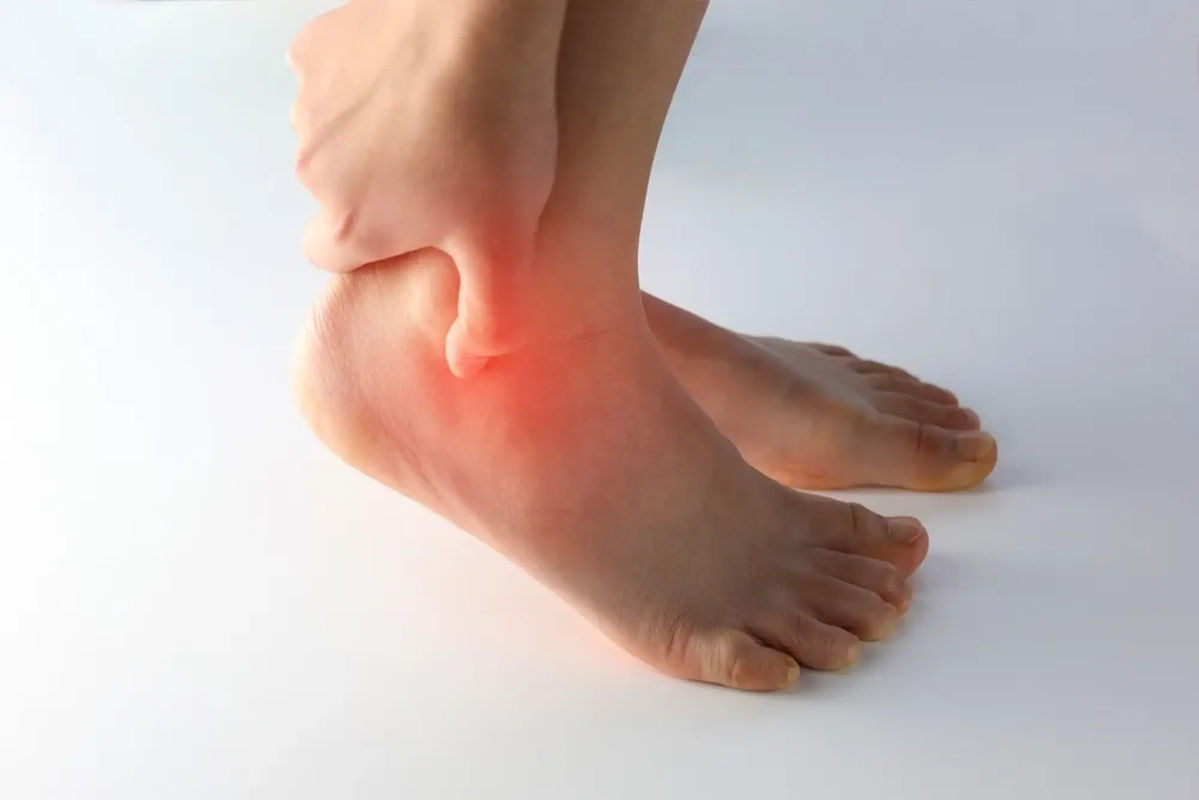
Intense Joint Pain
Sudden and severe pain, often in the big toe, ankle, or knee.

Rheumatology and Arthritis Center
Enhancing Lives
Loading


Gout is a form of inflammatory arthritis caused by high levels of uric acid in the blood, which form sharp crystals in the joints. It often leads to sudden, severe pain, swelling, and redness — most commonly in the big toe, ankle, or knee.
At RAC Nepal, our rheumatologists provide both acute flare treatment and long-term uric acid control to reduce attacks, protect joints, and help you stay active with confidence.

Early Diagnosis
Identify gout early and begin the right treatment without delay.

Flare Prevention
Lower uric acid levels to reduce painful gout attacks.

Joint Protection
Prevent long-term joint damage and complications.

Personalized Care
Tailored medication, diet, and follow-up plans for you.
Recognizing the symptoms early can help in timely diagnosis and effective management.
Intense Joint Pain
Sudden and severe pain, often in the big toe, ankle, or knee.
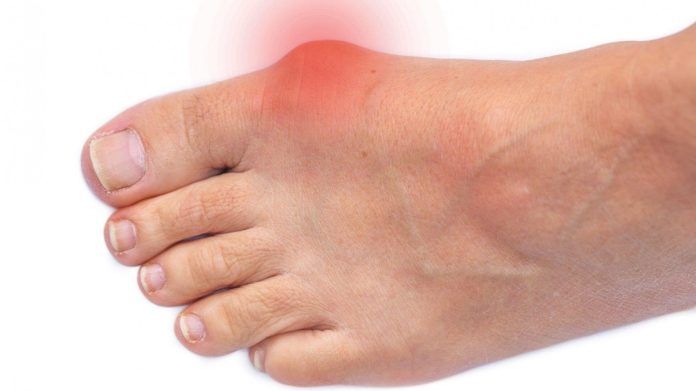
Redness & Warmth
The affected joint may appear red and feel warm to the touch.
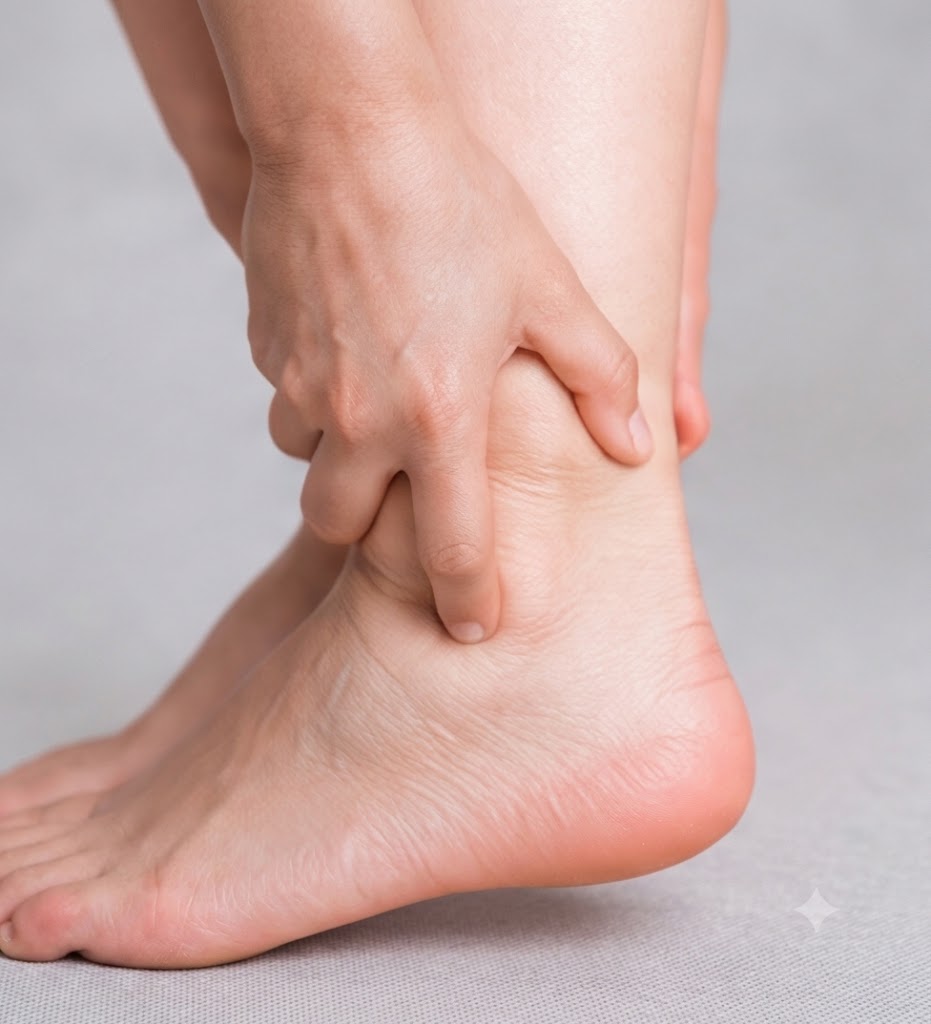
Swelling
Inflammation causes noticeable swelling around the joint.
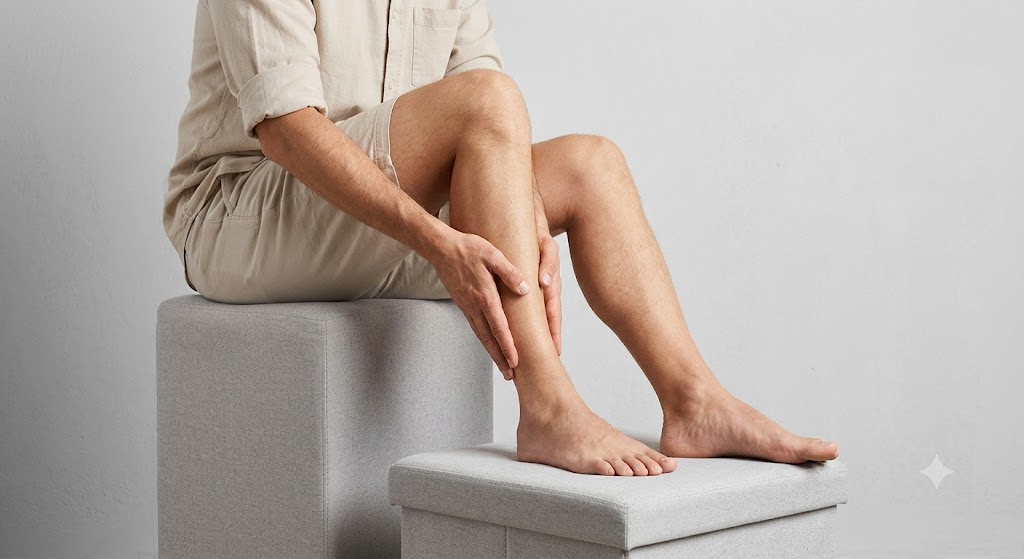
Limited Movement
Joint stiffness and discomfort can make movement difficult.

Sudden Night Attacks
Gout flare-ups often occur at night and can disrupt sleep.
If you experience any of these symptoms, consult our rheumatology experts for proper evaluation and care.
High Uric Acid Levels
Excess uric acid in the blood can lead to crystal formation in joints.
Diet (Red Meat, Alcohol)
Foods high in purines and alcohol can increase uric acid levels.

Obesity
Excess weight can raise uric acid levels and increase joint stress.

Genetics
A family history of gout increases your risk.
Kidney Issues
Poor kidney function can reduce uric acid excretion, leading to buildup.

Smart food choices and healthy habits can help manage uric acid levels and reduce gout attacks.
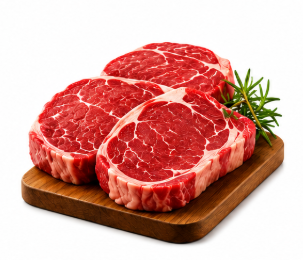
Red Meat
High in purines, which can increase uric acid levels.

Alcohol
Especially beer and spirits can trigger gout attacks.
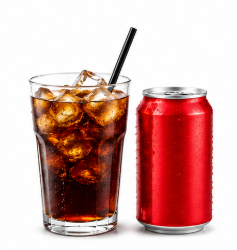
Sugary Drinks
Increase uric acid production and reduce its excretion.
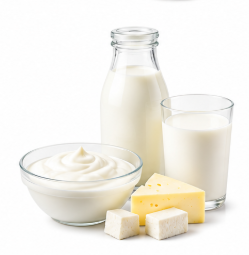
Low-Fat Dairy
Helps lower uric acid levels and supports bone health.
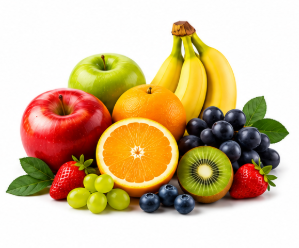
Fruits
Rich in vitamins and antioxidants that help reduce inflammation.
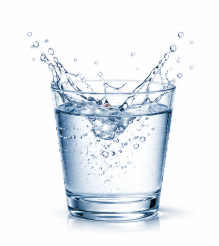
Water
Stay hydrated to help flush uric acid from the body.
A balanced diet and healthy lifestyle can go a long way in preventing gout flare-ups and improving your overall well-being.